


The Psychology of Gambling
Casinos have mastered the art of influencing player psychology, utilizing various techniques to create an environment that encourages longer play and higher spending. One of the primary methods is the use of sensory stimulation, such as flashing lights, vibrant colors, and upbeat music. These elements work in harmony to create an exhilarating atmosphere that heightens excitement and alters players’ perceptions of time and reality, as they might even encounter the best online casinos canada while experiencing these effects.
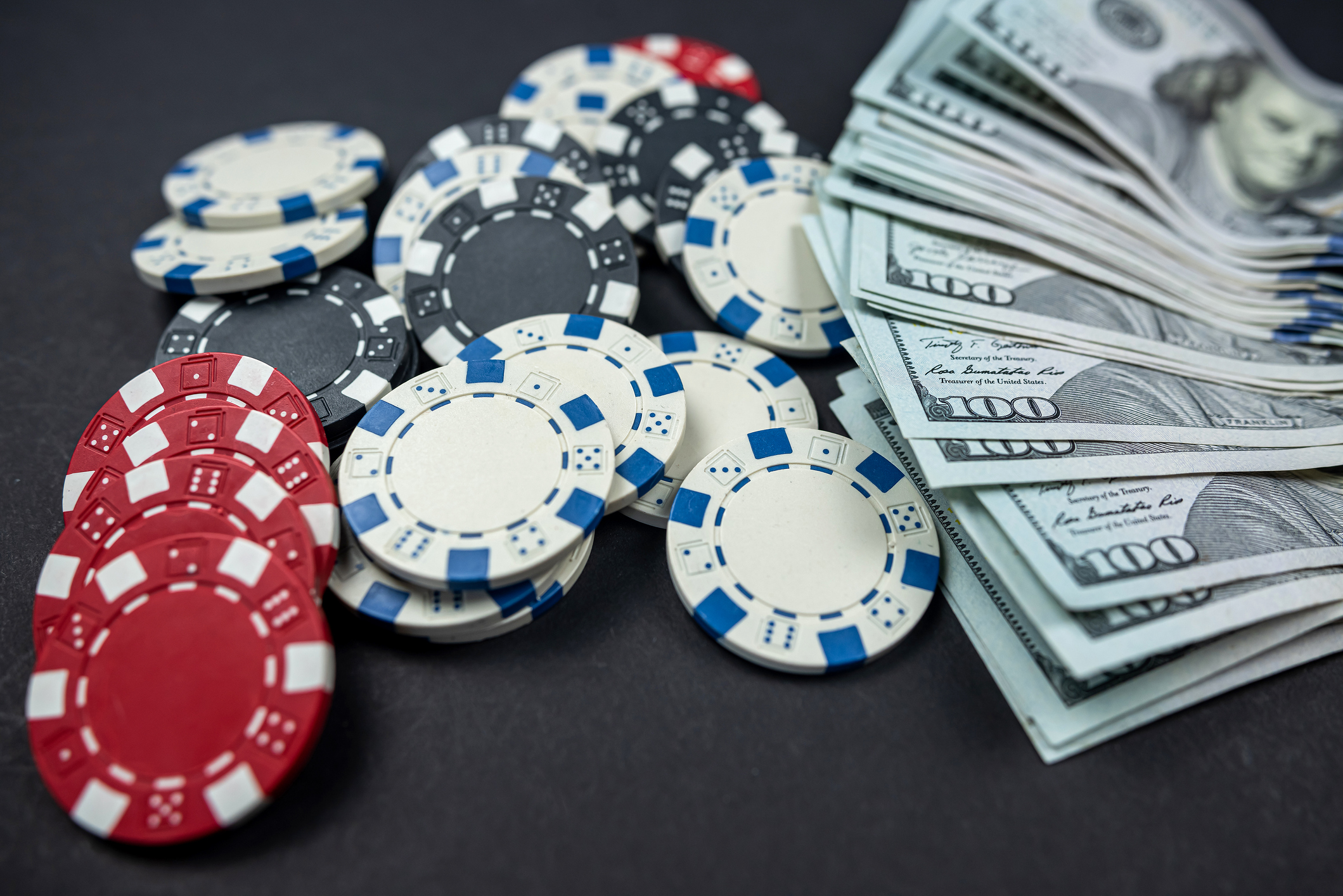
Moreover, casinos strategically design their layouts to keep players engaged. The absence of clocks and windows disorients visitors, making them unaware of how much time has passed. This manipulation fosters an immersive experience, encouraging individuals to lose track of their surroundings and, consequently, their spending limits.
The Illusion of Control
Another critical aspect of casino manipulation is the promotion of the illusion of control among players. Gamblers often believe they can influence the outcome of games through strategies or rituals, despite most games being based on chance. This belief can lead players to engage more frequently and invest more money, hoping that their ‘expertise’ will pay off. Recognizing this aspect can be crucial for maintaining a balanced approach to gambling.
Casinos enhance this illusion by offering tutorials or demonstrations, leading players to believe they are becoming skilled. This tactic not only boosts confidence but also creates a false sense of empowerment, prompting players to wager more than they typically would under clearer conditions.
The Role of Rewards and Loyalty Programs
Casinos employ rewards and loyalty programs to further manipulate perceptions and behaviors. By offering points, free plays, or complimentary services, they create a sense of belonging and appreciation among players. This strategy triggers the brain’s release of dopamine, a neurotransmitter associated with pleasure, reinforcing the desire to return and play more. Some individuals find that these rewards encourage excessive gambling, which can be concerning for many.
Moreover, these programs often feature tiered structures that incentivize continued gambling. Players might feel compelled to reach higher tiers, prompting them to gamble more frequently and spend more money as they chase the next level of rewards, ultimately leading to increased gambling behavior.
The Social Environment of Gambling
The social aspect of gambling also plays a significant role in shaping players’ behaviors and perceptions. Casinos are designed to be social hubs, where people come together to celebrate wins and commiserate over losses. This communal experience can enhance the enjoyment of gambling but also reinforce risky behaviors, as individuals may feel pressured to conform to the spending habits of those around them.
Additionally, the presence of other players engaged in the thrill of the game can create a sense of urgency and excitement. This group dynamic can lead to increased wagers and prolonged play sessions, as individuals seek to maintain the high-energy atmosphere and camaraderie found in casino environments.

Understanding Casino Manipulation
Awareness of how casinos manipulate perceptions and behaviors is crucial, as it empowers individuals to make informed decisions about gambling. Recognizing the psychological techniques at play can help players approach their gaming experiences with a more critical mindset, potentially leading to healthier gambling habits. It is essential to understand these dynamics in order to enjoy gaming responsibly.
For those seeking support or more information about responsible gambling, various resources are available to provide guidance and assistance. Understanding one’s limits and the influences of casino environments can lead to a more balanced and enjoyable experience while minimizing the risks associated with gambling.
